
The first sound on Graham Street is not traffic. It is the scrape of metal shutters and the soft thud of polystyrene boxes being set down on wet concrete. By the time the escalator up the hill starts carrying commuters, the market has already had its busiest hour.
Street markets are easy to romanticise and hard to run. Everything that makes this one pleasant to walk through, from the shade of the canopies to the order of the crates, is the result of someone arriving before dawn and setting it up by hand.
A street that works on a slope
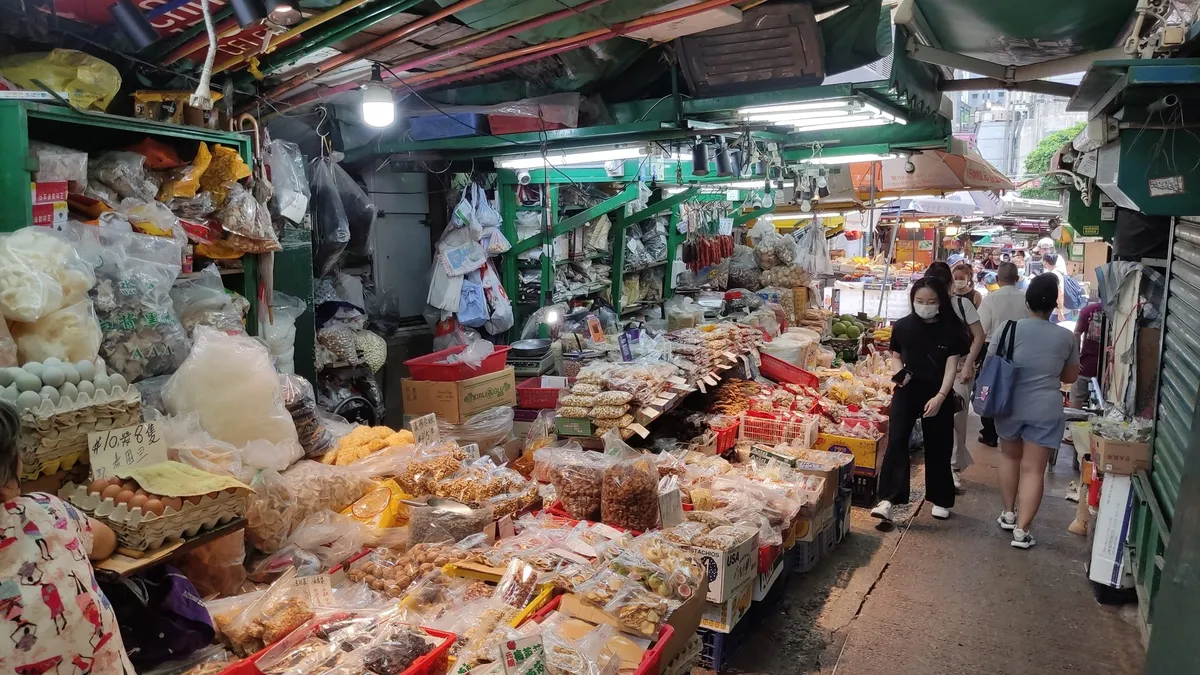
The street climbs steadily from Queen's Road towards the Mid-Levels, and the stalls follow the gradient. Heavier goods sit lower down, where trolleys do not have to fight the hill. Leaves, herbs and dried goods sit higher up, where the morning light reaches first.
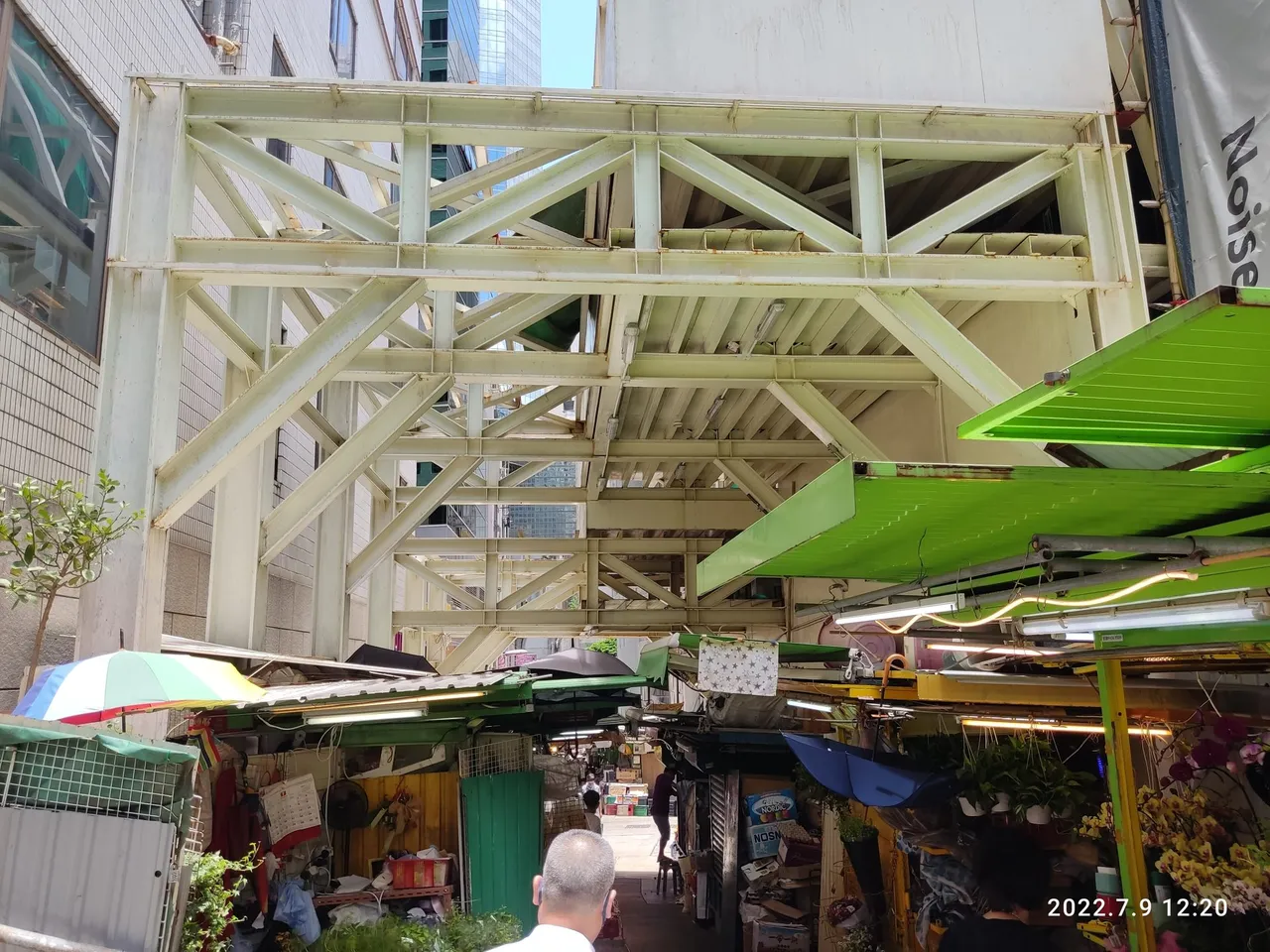
Nothing about the layout is written down. It has been negotiated over decades between neighbours who share a pavement, a water supply and a narrow window before the lunchtime crowds arrive.
A market is a timetable before it is a place.
Ice, then prawns, then everything else
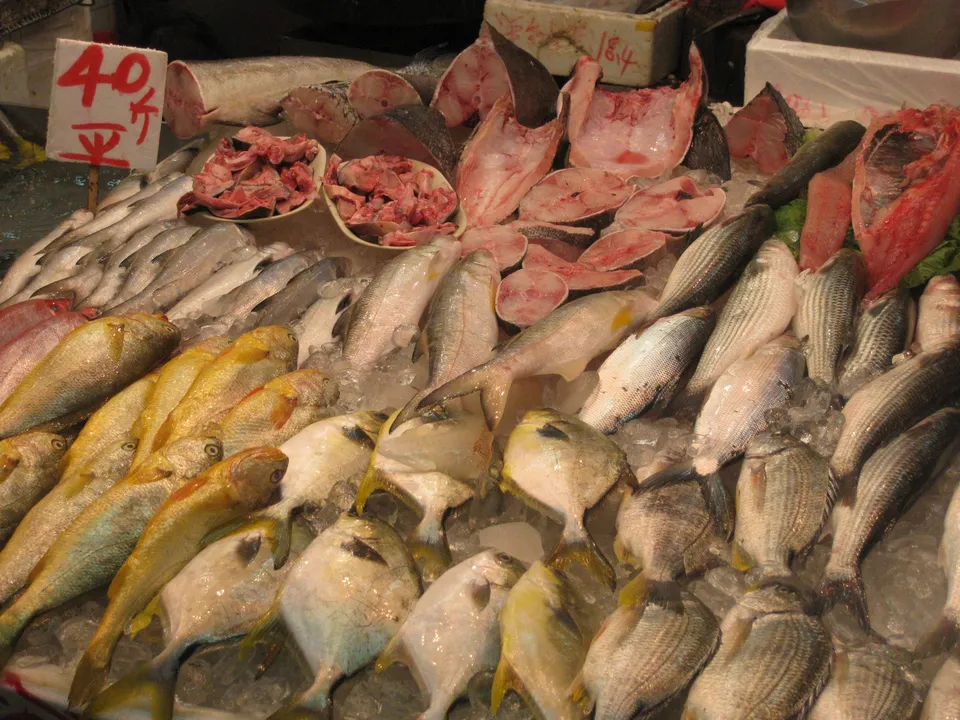
The seafood stalls start earliest. Ice goes down first, then the trays, then the catch, sorted by size and priced on hand-cut cards. The cards are rewritten through the morning as stock sells and the day's prices settle.
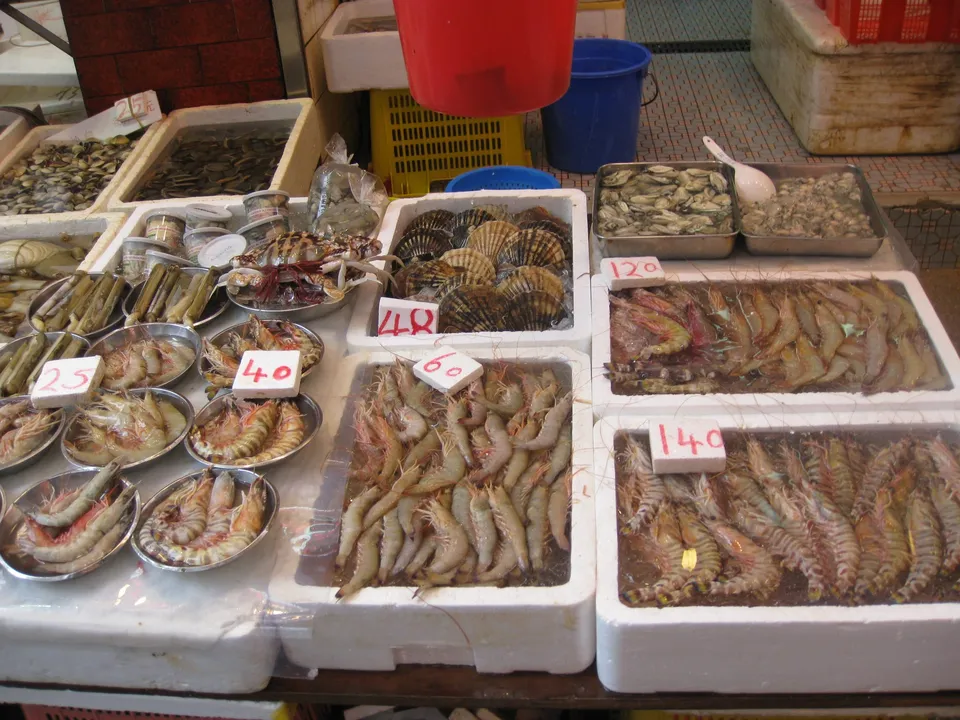
What looks like a display is really a workflow. Each tray is arranged so that the next customer can see what is left, and so that the stallholder can see what needs replacing without turning around.
Regulars set the rhythm
By eight the customers change. Restaurant buyers with long lists give way to residents with short ones, then to office workers picking up fruit on the walk down. Each group wants something different, and the stalls change their front row to match.

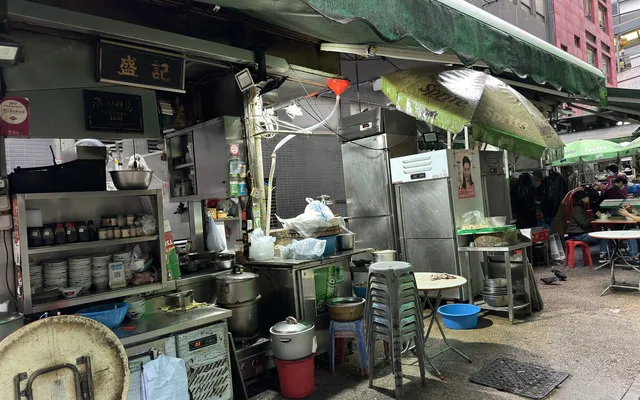
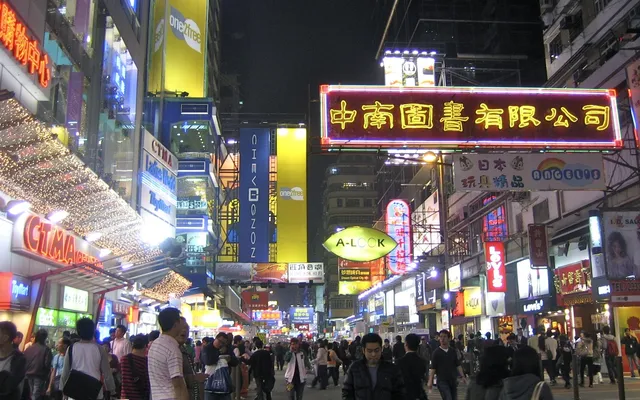
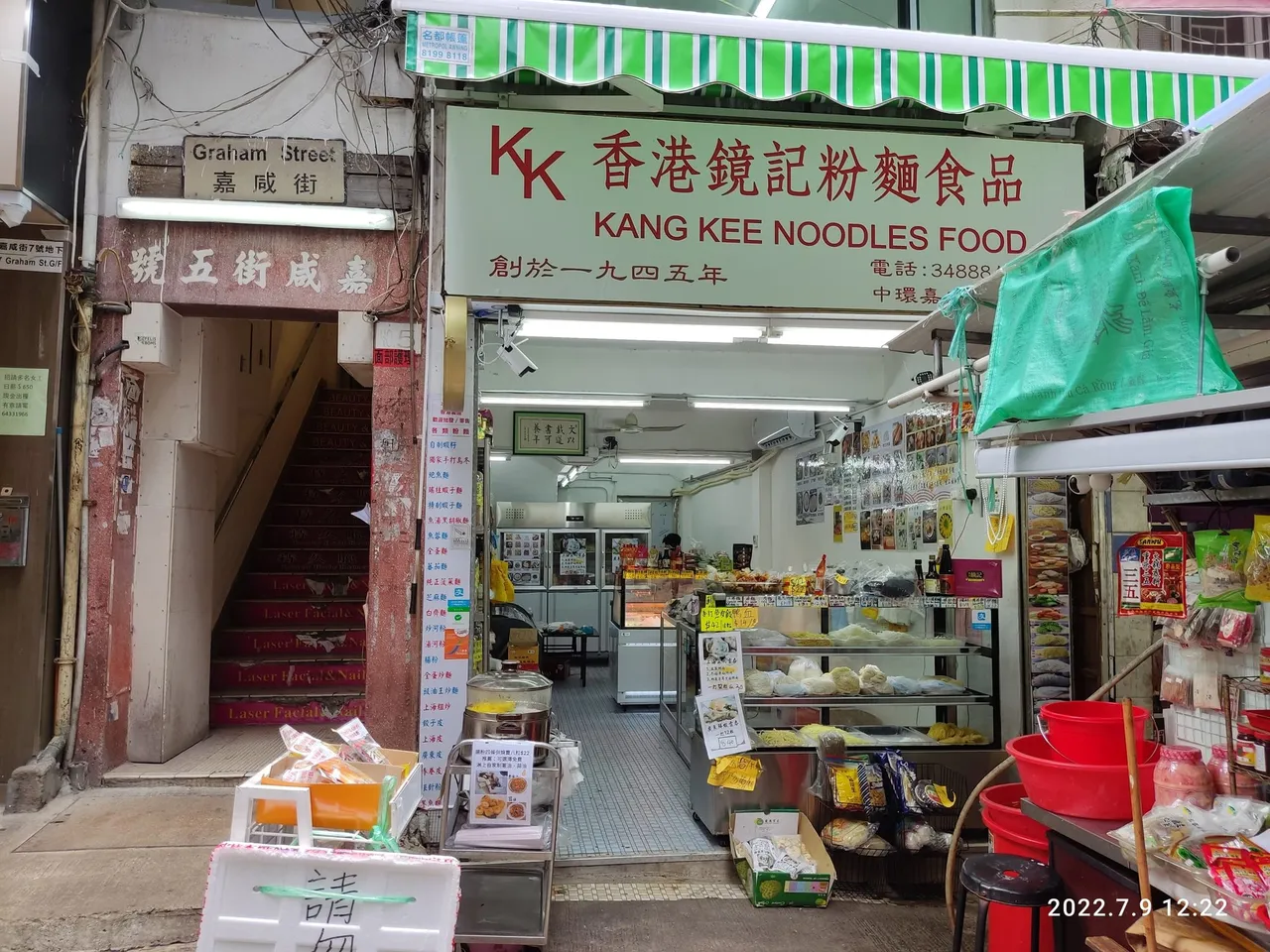
The old shopfronts that line the street keep their own hours. Noodle makers and dried goods shops open later and stay later, and their signs are a record of businesses that have outlasted several redevelopments of the neighbourhood around them.
What changes, and what stays
Redevelopment has reshaped the blocks around the market, and not every stall that stood here a generation ago still does. Walking the street now means reading two cities at once: the new towers at its edges, and the older habits that still organise its mornings.
If you go, go early, bring small notes and a bag, and walk up the hill rather than down. The light is better, the crowds are thinner, and you will see the market the way the people who run it do.